The National Safety Commission Alerts
Safety is No Accident. Visit the National Safety Commission - America's Safety Headquarters for driver safety information, auto recalls and teen safe driver tips.
Friday, October 08, 2010
Driving Survival: How to Survive a Vehicle Emergency
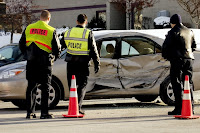
After a driver or passenger has been involved in a collision, disorientation, confusion, and possibly panic, are normal human reactions. In this series of articles on how to survive various emergency situations, we want to give the driver some good, common sense advice in the hope that, instead of panicking, a driver will recall the information and act correctly to get out of a dangerous situation. Even though the chances of any of these events happening to you are rare, knowing what to do in advance can prevent panic and help you cope with a bad situation.
Safety Tip Number One
Regardless of the crash situation you may find yourself in, your chances of survival increase by up to 55% if you are wearing your seatbelt. You are always safer, confined within the vehicle than you would be if you were ejected out the window or tossed around in the vehicle as it reacts to a major crash. Seat belts are always survival tip number one!
Safety Tip Number Two
Don't Panic! Panic is the enemy in any survival situation. Panic can lead to bad choices. Try to remain calm, take stock of your surroundings and the situation you are in. After surviving a car crash, the first thing you will want to do is exit the scene and remove you and your passengers away from a possible secondary collision situation. Panic will make that escape much more difficult.
Air Bags
When airbags deploy in a collision, the first thought many people have is that the car is on fire. While always possible, the chances of a vehicle catching fire, due to the collision, are rare. There are two reasons why people think that the car is on fire after the airbags deploy. The folds of an airbag are coated with talcum powder to keep the rubberized fabric from sticking to itself in long term storage and to ensure a smooth deployment. Once the airbag deploys, the interior of the car is filled with talcum powder. When the airbags deploy, a small explosive charge ignites two chemicals and that react to form the nitrogen that is used to fill the airbag. The smell of that chemical reaction is unfamiliar to most and that, combined with the talcum powder filling the car’s interior, is the reason why many people think the car is on fire. That isn’t the case. If the car is truly on fire, the smoke will most likely be dark and oily.

Airbags are terrific lifesaving devices but remember, they won’t deploy unless the sensor takes a direct hit. Also, because airbags are only effective if people wear their seat belts, the airbag may not work if the seat belt isn’t securely fastened.
After the airbags deploy, they will deflate one second later to make escaping from the car easier.
Window Punch
If, for any reason, you find yourself trapped inside a vehicle and you are unable to open the doors, or windows, you may find it very difficult to smash the windows from inside. The tempered glass used in car windows is very strong and difficult to break. There is a cheap spring loaded punch, sold in most auto parts stores for less than $10 that is designed to quickly shatter the window. Auto windows are designed to shatter into thousands of small, relatively smooth shards so the chances of being cut are minimal but you will want to shield your eyes before breaking the glass.
Keep the window punch handy and close to the driver’s position but make sure it is secure. Leaving it out on the dash will just allow it to fly around the car in a crash and you won’t be able to find it when you need it.
Get Away from the Vehicle
Once you have escaped the vehicle, you will want to place you and your passengers well off the roadway. The chances of another, secondary crash are very real so you need to stay as far away as you can until help arrives.
Next in the Series: How to Survive a Rollover
Labels: air bags, driver safety, emergency, emergency vehicle


Thursday, June 03, 2010
Driver Safety: The Yellow Dot Program for First Responders
It’s plain to see why the Yellow Dot program is beneficial in the unfortunate case of a serious, life threatening accident where the victim is unable to speak to the emergency workers. But, it can also be a vital tool in less serious accidents. Sometimes, people are in shock after an accident and they find it difficult to remember specific information. It would lower the risk of error in treatment is the emergency workers had immediate access to important medical information.
The first Yellow Dot program was initiated in Connecticut in 2002. To date, several counties across eight states have developed Yellow Dot programs of their own. Most of the programs have qualities that set them apart from other yellow dot programs; however the premise is the same.
For example, in Connecticut, the Yellow Dot decal indicates that emergency workers should look for an envelop containing a card with important medical information on it. In Colbert County, Alabama the yellow dot directs emergency workers o the glove compartment to look for a folder containing important medical information as well as a picture of the person the information pertains to. Obviously, including the picture will allow the emergency response team to quickly determine if they are looking at the individual the information pertains to.
In Alabama, the Yellow Dot program is available to drivers of all ages. However, a version of the program implemented in Kansas is geared toward seniors aged 55 and over. Again, the decal on the back window directs first responders to important medical and emergency contact information stored in the glove compartment.
Learn more about driver safety and defensive driving through the National Safety Commission Alerts by signing up for our newsfeed today.
Labels: driver education, driver safety, driver safety tips, emergency, emergency vehicle, first responders, traffic safety
Friday, February 12, 2010
Vehicle Break Downs on the Highway
First of all, if you think you are about to break down, then you need to safely make your way onto the shoulder. Stop as far away from the highway as you can. Once you have stopped, turn your wheel as far to the right, or in the opposite direction of the road. Leave your vehicle head lights on and turn on your hazard lights to increase your vehicles visibility. If for any reason you cannot make it to the shoulder, switch on your hazard warning lights, and only leave your vehicle when you can clear the highway easily. Do not attempt to place any warning devices on the highway.
When exiting the vehicle exit through the passenger side. This should be the side facing away from the highway. If not, get out the side that is furthest from the road, in order to ensure you are not getting out onto the highway or the shoulder itself, to avoid oncoming vehicles(e.g. the emergency services or other vehicles who may have broken down). You may think you're far from the road, but doing this will ensure you and your passenger's safety.
Next you need to get to a safe place; this would be up the bank or behind a barrier if possible. Once you're in a safe place, use a cell phone to call for help, it's best to call emergency help or road side assistance first. Notify immediate family members so that they know where you are and know that you are safe. Be prepared to describe to someone where you are, it can help to pinpoint your exact location, and allow road side assistance to reach you more promptly.
Breaking down on the highway can be scary, but that doesn't mean you can't do it safely. By following these tips and being responsible, you'll be back on the road in no time, safe and sound.
Labels: break downs, emergency, Highway Safety, vehicle safety
Thursday, November 12, 2009
Preparing Your Vehicle For Winter Weather

The cool, crisp, colorful days of autumn will soon give way to the bitter cold, dark days of winter and that means it is time to prepare your car for winter weather. With the exception of Hawaii, no matter where you live in the nation, you can be subjected to freezing weather (Miami has seen snow flurries). Those who live where snow and ice are common know to prepare but those who live in the Sunbelt should take time to prepare too. Here are some tips for getting your car ready to face the cold weather ahead.
Under the hood
It is probably best to have a trusted mechanic change your oil and winterize your engine but, if you are handy with tools, you can do these checks yourself. Make sure you check the owner's manual for the recommended fluids and parts.
Checking the engine
- Belts - Check the belts for wear and flexibility. In extreme cold your belts can become brittle and break so now is the best time to change out those old worn belts.
- Wiring – Check and replace any wires that may be worn or show exposed wires.
- Plugs – If it has been a while, you should replace the spark plugs.
- Coolant – Have your mechanic check the radiator for the proper mix of water and coolant. If you are doing the checks yourself, you can purchase a low cost coolant tester at an auto parts store. If the fluid needs to be replaced, make sure you use the proper type of fluid for your engine. Coolants are manufactured with corrosion inhibitors made specifically for the engine's materials (aluminum, steel, etc.).
- Oil – Have your oil changed. Your vehicle manufacturer may recommend a different engine oil weight for cold weather conditions.
- Washer fluid – Fill your washer fluid reservoir with anti-freeze washer fluid. Keep extra fluid on hand because you will need it often as dirty slush, cinders, and salt are sprayed over your windshield when following other vehicles.
- Battery – Clean the battery and wire terminals. Ensure your battery electrolyte is topped off with distilled water. If you are doing the work yourself, make sure you wear gloves and take great care when dealing with caustic battery acids.
Tires
- Snow Tires – Snow tires are specifically made for driving in snow. The rubber is softer to be less brittle and the tread is designed for a better grip in snow and ice. If you live in the northern part of the nation where snow and ice are a constant, you should swap out your normal tires with snow tires.
- All Weather Tires - If you live in the Sunbelt or the lower half of the nation, you can probably get by with all weather tires but remember that all weather means hot roads or rain, not snow. The rubber is harder and will be more brittle in freezing conditions and they aren’t as effective at gripping the surface in snow or ice.
- Chains – If you live in that portion of the nation that only gets one or two snow falls a year, you will probably want to consider purchasing a set of tire chains and keep them available in the trunk. Practice installing them before the weather turns bad.
Windows
- Defroster – Check your defroster now before it is too late. If it doesn’t work, get it repaired. Defrosters are an important tool in the winter.
- Wiper blades – Swap out your blades with heavier snow blades.
- Ice scraper – Keep a good, strong, ice scraper handy. Credit cards aren’t very effective on icy windows.
- Snow brush – A combination snow brush/ice scraper is a better tool to keep where snow is common.
Block heaters – If you live in the frozen north, you may want to consider getting an electric engine block heater to keep your engine warm through the night.
Emergency kits
- Lock defroster – Lock deicing fluid can be purchased in cans small enough to keep in your coat pocket. Remember to keep it in your coat pocket or in the house, not in the car.
- Sand/kitty litter – Keep a bag of sand or kitty litter in the trunk. You can use it to help your tires grip if you are stuck in ice or snow. It also provides a little extra weight in the rear of the car to help give you traction.
- Belts – Keep a replacement fan belt in your trunk just in case.
- Blankets – If you live where it snows often and deep, you could find yourself stuck on the road. Keep some blankets handy just in case.
- Food – Keep some energy bars, in case you get stuck in the snow. You will need calories to help you keep warm.
- Snow shovel – If there is room in your trunk, keep a small snow shovel to dig out of snow covered parking lots.
If you are stuck in the snow
If the roads close due to blizzard conditions, you may find yourself stuck on the highway. When traveling in the winter, you should always try to keep the gas tank full just in case. Always let someone know where you are going, your route, and when you plan to arrive.
If you are on a heavily traveled highway, the authorities will probably already be working to open the road or, if they can't, to evacuate motorists. If you are in the country and find yourself stuck and alone, call 911 for help.
While waiting, don't keep the engine running; you could quickly run out of gas. Break out your emergency blankets and only run the engine long enough to heat the car. When running the engine, beware of carbon monoxide poisoning. Make sure the exhaust pipe is clear and crack a window on the downwind side to prevent carbon monoxide from accumulating in the passenger compartment. Eat your energy bars to provide warming calories.
Labels: driver safety, emergency, winter driving, winter weather
Thursday, February 12, 2009
How to Handle a Vehicle Emergency - Procedures, Preparedness, Safety Kit
Cars never seem to break down on a convenient schedule. That flat tire late at night or that overheated engine on a deserted country road can be more than annoying; it can be dangerous. Vehicle emergencies aren't limited to mechanical problems. Sudden, violent storms can create havoc. The big winter storm in March 1993 found thousands of motorists stranded in the snow as highways in Georgia, and the Carolinas shut down. Since we can't schedule our emergencies at a more convenient time, every driver should be prepared by knowing how to deal with emergencies and should keep an emergency kit in their car at all times.
The best defense against a breakdown on the side of the road is to ensure your vehicle is well maintained and that oil and fluids are changed or topped off. Worn tires should be replaced. Check your tires by inserting a penny into the tread; if the top of Abe Lincoln's head can be seen your tread is too worn. Check your tire's pressure; correct tire pressure is printed on the tire’s side or in the owner's manual. Make sure that your spare tire is full and you have an operating jack and lug wrench. Keep the gas tank full and don't try to push it to the next exit when your gas is running low.
The first thing to remember when your vehicle is stuck or disabled is your personal safety. If possible, the vehicle should be removed as far off the side of the road as possible. A large number of crashes happen when drivers either don't see or don't realize that the car ahead is stopped or because they look at the disabled vehicle instead of watching the road ahead. Activate your emergency flashers, then, if you have flares or a reflective emergency triangle, place them 100 to 200 feet behind the vehicle to give other drivers warning of a problem up ahead. Raise the hood to indicate a need for help and tie a white cloth or "help" sign to the antennae.
Since so many crashes involve cars on the side of the road, it is best to leave the vehicle and stand as far off the roadway as possible while waiting for help. Trying to repair a vehicle or change a tire right next to the roadway can be extremely dangerous.
Vehicle Emergency Kits
As indicated above, the best and most important item in your emergency kit should be a cell phone with a fully charged battery. Make sure you keep a charger cord in your car and that your battery is full.
Your emergency kit's contents will depend on where you live and drive. At a minimum, a basic emergency kit should contain:
- Jumper cables (the longer and heavier duty, the better)
- Two 30 minute flares
- A reflective triangle
- A “Help” sign or white cloth to tie to the antennae
- A flashlight with extra batteries. (small LED flashlights are tiny, long lasting, and surprisingly bright)
- A small tool kit including screw drivers, pliers, needle-nose/wire cutters and a small knife
- Two quarts of oil, gallon of water and windshield washer fluid
Labels: emergency, safety, vehicle

 Find us on Facebook